
Friday · March 5, 2027

Pre-Conference
Workshops

Small-group, hands-on training the day before the main conference. Each workshop has its own registration and limited seats, and workshops filled fast in 2026.

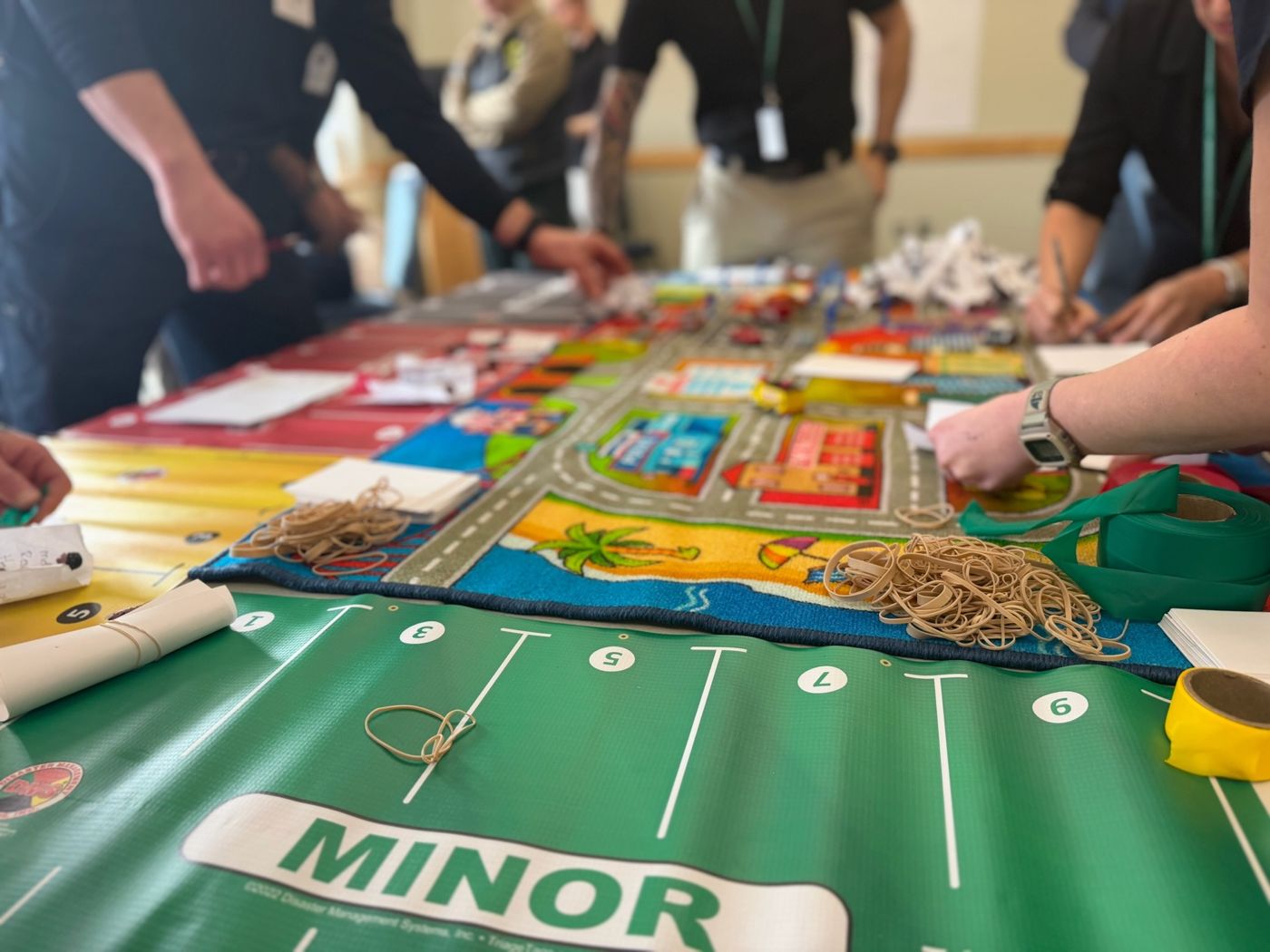
Participants working a mass casualty tabletop with triage mats, 2026 Zombie MCI workshop
Toy ambulance and responder figures staged on a city map during the Zombie MCI exercise
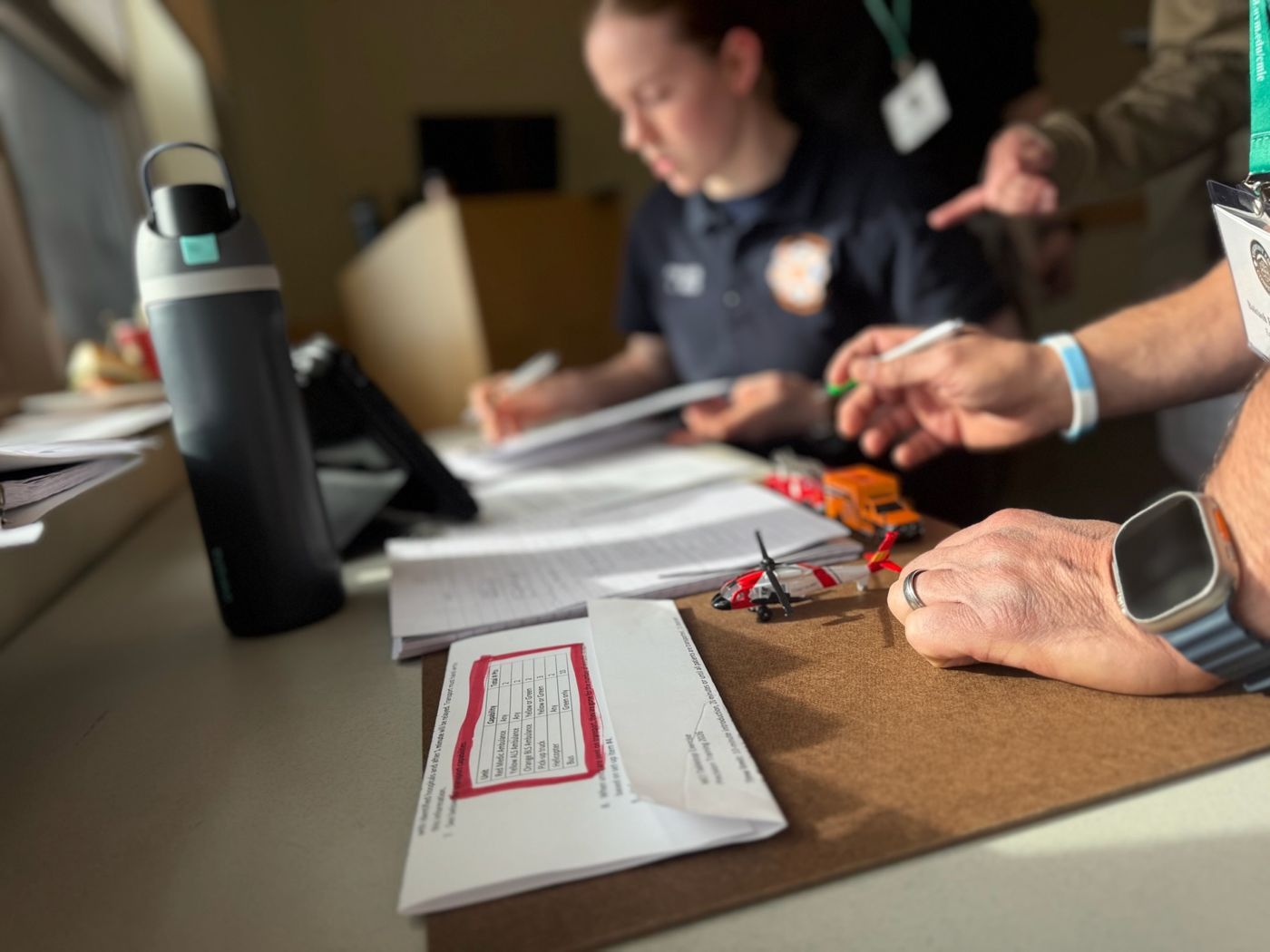
Participant at the command table with transport capabilities and a toy helicopter

From the 2026 pre-conference workshops

Workshop registration is open. Seats are limited, so register early.

Register

Friday · March 5

Davis Center unless noted

0800–1200Morning workshops · 4 hours
16 seats

OB Mobile SIM: Obstetric Emergencies on the Move

About this workshop

Obstetric emergencies are rare but critical, and EMS providers are often the first to respond. The OB Mobile Simulation Lab brings high-fidelity, hands-on training directly to the conference.

Participants rotate through focused scenarios on precipitous delivery, maternal resuscitation, neonatal resuscitation and vascular access in challenging maternal and neonatal cases. Led by experienced emergency and obstetric educators, the session emphasizes teamwork, communication and critical decision-making under pressure.

Faculty

  • Julie Vieth, MD
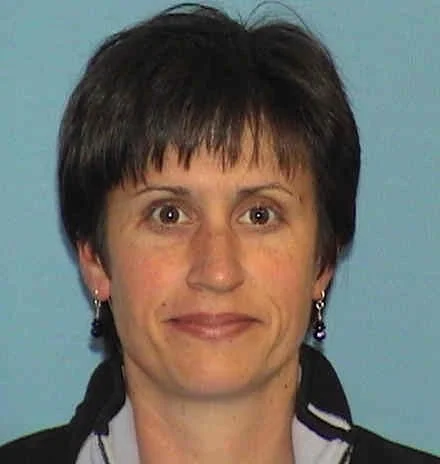
    Dr. Julie Vieth is an Associate Professor at the Larner College of Medicine, University of Vermont for the department of Emergency Medicine. She is also the Vice Chair of Clinical Operations and Medical Director of Emergency Medicine at the University of Vermont Medical Center (UVMMC), where she leads operational strategy and quality initiatives for one of New England's busiest rural tertiary care emergency departments. She practices clinically at several critical access sites within the network.

    Nationally, Dr. Vieth is a recognized leader in obstetrical emergencies within emergency medicine. She has chaired multiple committees for the American Academy of Emergency Medicine (AAEM), served as faculty and chair for its Scientific Assembly and leads simulation labs for obstetrical emergencies internationally, nationally and regionally.
  • Molly Stevens, MD
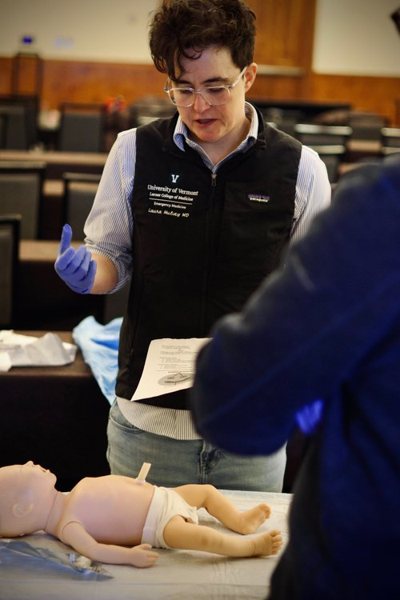
  • Laura Mulvey, MD
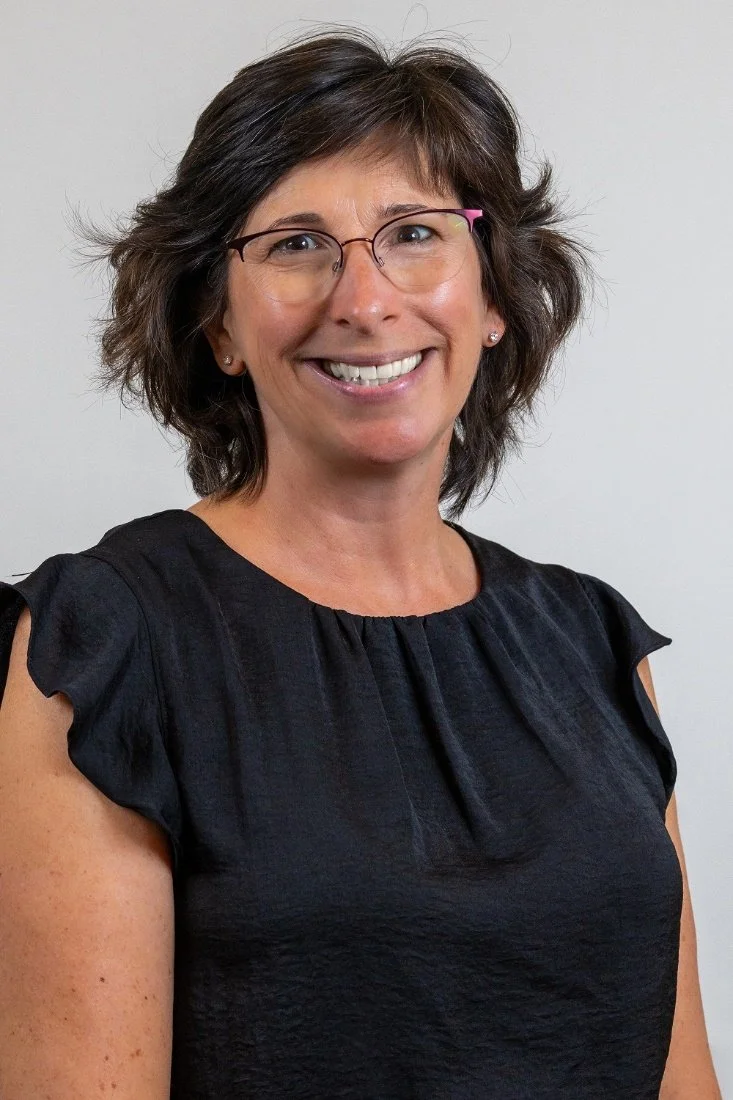
    Laura Mulvey, MD, is an Attending Physician in the University of Vermont Health and serves as the Clerkship Director for the Department of Emergency Medicine at the Larner College of Medicine. Dr. Mulvey is dedicated to advancing medical education, fostering clinical excellence, and mentoring the next generation of emergency physicians. Her work integrates high-quality patient care with innovative teaching, curriculum development, and a commitment to improving the learning environment for medical students and trainees.
  • Pete Rocha, BS, RRT
    Pete Rocha, BS, RRT, is a Clinical Operations Manager at UVM Health - Champlain Valley Physicians Hospital in Plattsburgh, NY, bringing 23 years of healthcare and clinical leadership experience to his role. Pete holds a BS in Healthcare Administration from Champlain College, where he is currently completing an MBA. He serves on the Board of Directors of the NYSSRC along with a position on the VTSU Education Advisory Board. Passionate about clinical quality improvement, cross-continuum collaboration, and professional advocacy, Pete focuses on elevating clinical outcomes through a collaborative approach to healthcare.
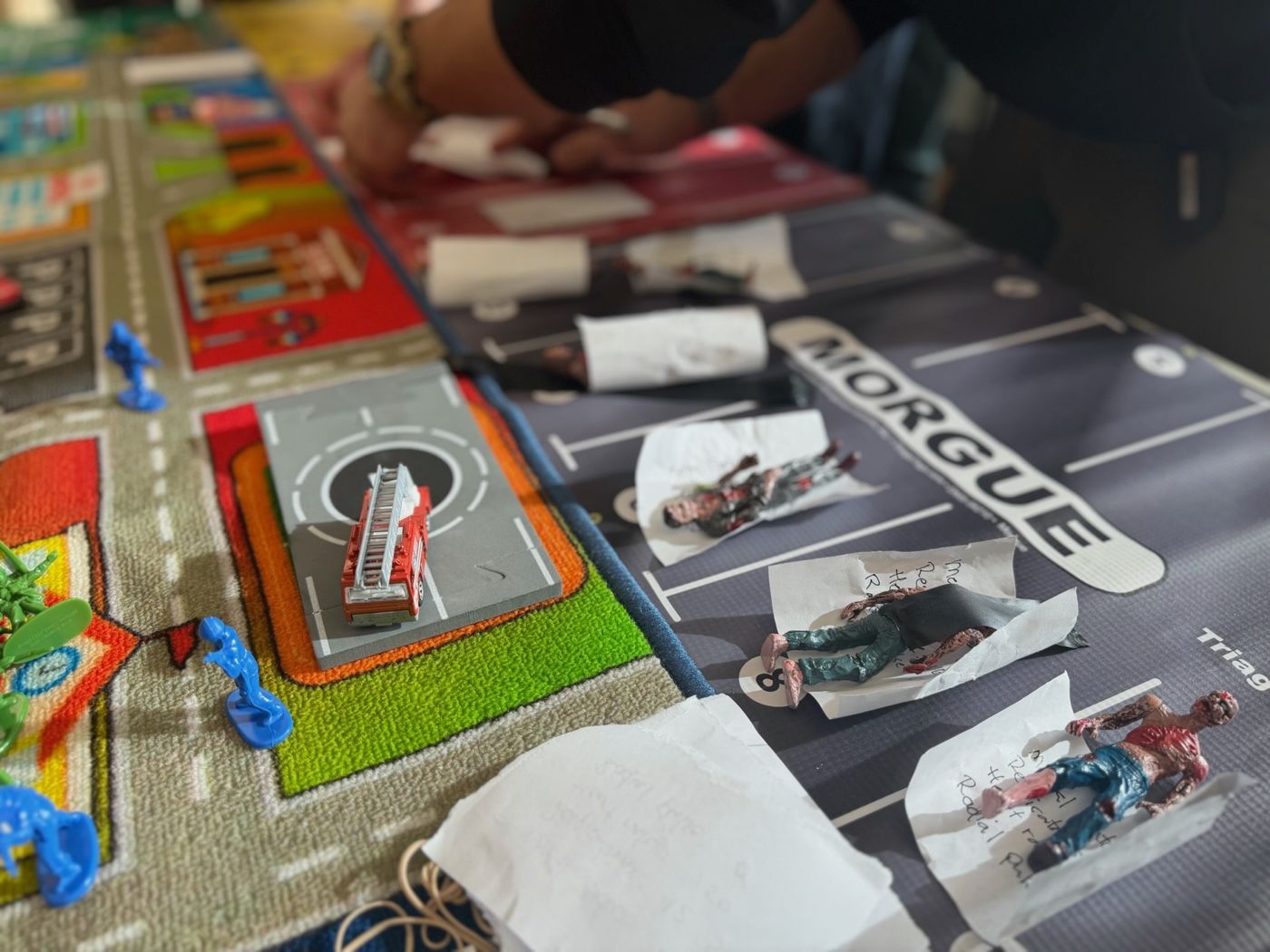
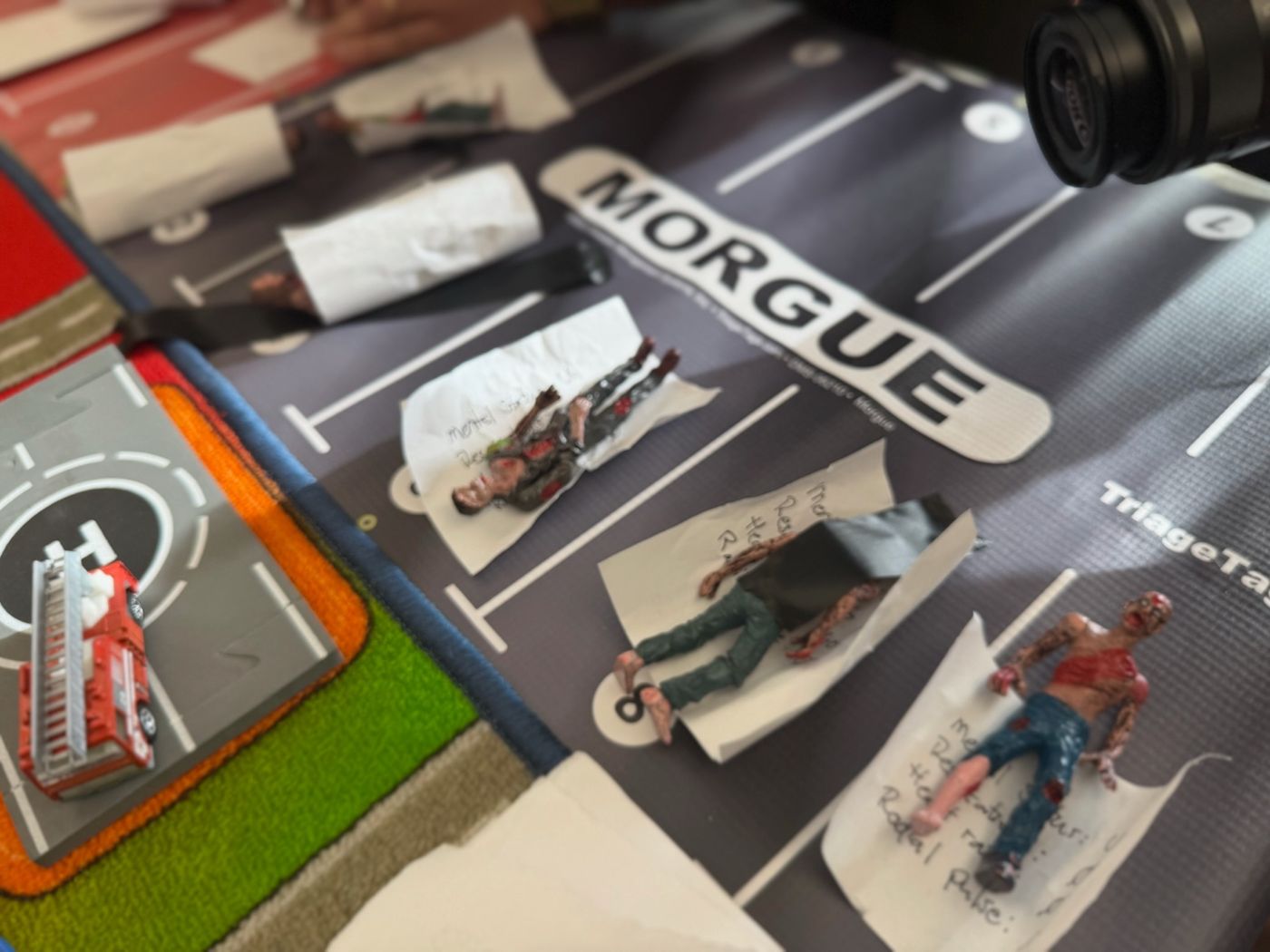
Zombie patient figures with triage notes on the morgue mat, 2026 Zombie MCI workshop
15 seats

Zombie MCI: The Second Wave

About this workshop

An immersive tabletop exercise with hands-on, algorithmic and simulation-based training that challenges participants to make decisions in real time. Students apply the Incident Command System (ICS) to manage a scaled mass casualty incident based on real-world MCI statistics, role-playing across every level of the ICS structure.

This is a live, scenario-driven exercise with a facilitated debrief. Come prepared to respond as if managing an actual incident.

Prerequisites: Completion of ICS 100, 200 and 700 is strongly recommended.

Learning objectives
  • Identify and request appropriate MCI-level resources
  • Activate and implement a response plan tailored to MCI scenarios
  • Manage a dynamic incident scene using delegation and ICS principles
  • Evaluate the effectiveness of actions taken
  • Propose actionable changes for local triage systems based on exercise outcomes
Faculty
  • Nick Carson, FP-C, CCP-C, CP-C, TP-C, NRP
    Nick Carson, FP-C, CCP-C, CP-C, TP-C, NRP, B.S. is an EMS Supervisor with University of Vermont Health. He owns Precision Training, LLC, and hosts the Code 321 Podcast. Nick is a national conference speaker specializing in training, safety systems, trauma care, leadership, and active threat response. Nick has authored multiple training programs across emergency response agencies and currently sits on his organization’s training committee. He has worked in the career fire service, municipal EMS, critical care medicine, and HEMS. Nick also works for Mind the Frontline Inc., a 501(c)(3) non-profit committed to the mental health and wellness of first responders.
  • Prescott Nadeau, NRP
  • Kyle Brouillette, NRP
15 seats

Introduction to EMS Leadership

About this workshop

Leadership is the process of getting a group of individuals to work together to achieve a common goal. In EMS, it is essential to success in everything from individual calls to the operation of a service and the workings of an EMS system.

This seminar includes a lecture and discussion on the foundations of leadership, small-group activities to explore your own leadership style, and a panel discussion with current leaders in Vermont’s EMS community.

Learning objectives
  • Identify leadership traits common in EMS leaders
  • Discuss a variety of leadership styles, including their strengths and weaknesses
  • Understand how leadership can be developed, through a panel discussion with EMS leaders
Faculty
  • Pat Malone
    Patrick Malone is a Senior Lecturer Emeritus at the University of Vermont Initiative for Rural Emergency Medical Services (IREMS). He serves on the Vermont EMS Advisory Committee and chairs the Education Council. A Vermont EMT and Senior Instructor, he has been involved with EMS for over forty years.
15 seats

Mobile Simulation: High-Acuity Skills & Scenario Training

About this workshop

Emergency providers in Vermont and upstate New York routinely care for critically ill and injured patients in resource-limited, geographically isolated settings. This mobile simulation lab brings high-fidelity, hands-on training directly to EMS clinicians.

In this 4-hour session, participants rotate through scenario-based team simulations modeled on PHTLS, AMLS and ACLS environments, practicing critical decision-making, communication and procedural skills under the guidance of experienced clinical educators.

Learning objectives
  • Airway management and ventilation strategies
  • Trauma assessment and intervention
  • Acute medical emergencies and resuscitation
  • Team communication, leadership and patient handoff
  • Pediatric assessment, newborn delivery and resuscitation
Course lead
  • Mike Leyden, MPH, NRP
    Mike Leyden has worked for over twenty-five years in emergency services and healthcare, including direct patient care, teaching, public health and healthcare administration. He is the EMS Training Center Manager for UVM Health. He spent much of his nine years with the UVM Health Network at Porter Medical Center in Middlebury, as Emergency Management Director and then Associate Vice President for Operations, and previously oversaw State EMS Office operations and healthcare system preparedness at the Vermont Department of Health. Mike holds a Master’s in Public Health from the Boston University School of Public Health, has been a Nationally Registered Paramedic since 2004, and serves on the NREMT’s board of directors.
0800–1630Full-day courses · 8 hours
15 seats

EMS Skills Instructor Course

About this workshop

For training officers, EMS leaders who assess clinician skill proficiency, and clinicians who assist in EMS courses or want to get involved in EMS education.

The EMS Skill Instructor course equips participants to teach and evaluate EMS students on psychomotor skills. This one-day, in-person course meets the minimum didactic requirements for eligibility for the Vermont Skills Instructor license. Participants also complete a 3 to 6 hour field internship in an initial EMS course, as approved by the EMS office.

Course lead
  • Christopher LaMonda, MPH, NRP, Sr. I/C
    Christopher LaMonda is a senior lecturer for the Initiative for Rural Emergency Medical Services (EMS) program within the Department of Rehabilitation and Movement Science. His focus is on pre-hospital emergency care (emergency medical technician and advanced emergency medical technician). Chris is a licensed paramedic with over 20 years of EMS experience as a clinical provider, service director, and educator. Chris received his master’s in public health in 2017 at the University of Vermont. In addition, Chris has held a Vermont State teaching license since 1997 and taught health and physical education for 13 years in public schools.
1200–1230Lunch
1230–1630Afternoon workshops · 4 hours
16 seats

OB Mobile SIM: Obstetric Emergencies on the Move

About this workshop

Obstetric emergencies are rare but critical, and EMS providers are often the first to respond. The OB Mobile Simulation Lab brings high-fidelity, hands-on training directly to the conference.

Participants rotate through focused scenarios on precipitous delivery, maternal resuscitation, neonatal resuscitation and vascular access in challenging maternal and neonatal cases. Led by experienced emergency and obstetric educators, the session emphasizes teamwork, communication and critical decision-making under pressure.

Faculty
  • Julie Vieth, MD
    Dr. Julie Vieth is an Associate Professor at the Larner College of Medicine, University of Vermont for the department of Emergency Medicine. She is also the Vice Chair of Clinical Operations and Medical Director of Emergency Medicine at the University of Vermont Medical Center (UVMMC), where she leads operational strategy and quality initiatives for one of New England's busiest rural tertiary care emergency departments. She practices clinically at several critical access sites within the network.

    Nationally, Dr. Vieth is a recognized leader in obstetrical emergencies within emergency medicine. She has chaired multiple committees for the American Academy of Emergency Medicine (AAEM), served as faculty and chair for its Scientific Assembly and leads simulation labs for obstetrical emergencies internationally, nationally and regionally.
  • Molly Stevens, MD
  • Laura Mulvey, MD
    Laura Mulvey, MD, is an Attending Physician in the University of Vermont Health and serves as the Clerkship Director for the Department of Emergency Medicine at the Larner College of Medicine. Dr. Mulvey is dedicated to advancing medical education, fostering clinical excellence, and mentoring the next generation of emergency physicians. Her work integrates high-quality patient care with innovative teaching, curriculum development, and a commitment to improving the learning environment for medical students and trainees.
  • Pete Rocha, BS, RRT
    Pete Rocha, BS, RRT, is a Clinical Operations Manager at UVM Health - Champlain Valley Physicians Hospital in Plattsburgh, NY, bringing 23 years of healthcare and clinical leadership experience to his role. Pete holds a BS in Healthcare Administration from Champlain College, where he is currently completing an MBA. He serves on the Board of Directors of the NYSSRC along with a position on the VTSU Education Advisory Board. Passionate about clinical quality improvement, cross-continuum collaboration, and professional advocacy, Pete focuses on elevating clinical outcomes through a collaborative approach to healthcare.
Zombie patient figures with triage notes on the morgue mat, 2026 Zombie MCI workshop
15 seats

Zombie MCI: The Second Wave

About this workshop

An immersive tabletop exercise with hands-on, algorithmic and simulation-based training that challenges participants to make decisions in real time. Students apply the Incident Command System (ICS) to manage a scaled mass casualty incident based on real-world MCI statistics, role-playing across every level of the ICS structure.

This is a live, scenario-driven exercise with a facilitated debrief. Come prepared to respond as if managing an actual incident.

Prerequisites: Completion of ICS 100, 200 and 700 is strongly recommended.

Learning objectives
  • Identify and request appropriate MCI-level resources
  • Activate and implement a response plan tailored to MCI scenarios
  • Manage a dynamic incident scene using delegation and ICS principles
  • Evaluate the effectiveness of actions taken
  • Propose actionable changes for local triage systems based on exercise outcomes
Faculty
  • Nick Carson, FP-C, CCP-C, CP-C, TP-C, NRP
    Nick Carson, FP-C, CCP-C, CP-C, TP-C, NRP, B.S. is an EMS Supervisor with University of Vermont Health. He owns Precision Training, LLC, and hosts the Code 321 Podcast. Nick is a national conference speaker specializing in training, safety systems, trauma care, leadership, and active threat response. Nick has authored multiple training programs across emergency response agencies and currently sits on his organization’s training committee. He has worked in the career fire service, municipal EMS, critical care medicine, and HEMS. Nick also works for Mind the Frontline Inc., a 501(c)(3) non-profit committed to the mental health and wellness of first responders.
  • Prescott Nadeau, NRP
  • Kyle Brouillette, NRP
20 seats

High Consequence Infectious Disease (HCID) Preparedness

About this workshop

A hands-on, in-person training based on Mass General Brigham’s High Consequence Infectious Disease Preparedness for Frontline Facilities. Participants practice the essential skills and procedures for safe and effective care of patients with suspected or confirmed high consequence infectious diseases (HCIDs).

Designed for healthcare, public health and other medical professionals responsible for managing these patients.

Learning objectives
  • Define HCIDs and explain why an early, protocol-driven response is essential given their public health impact
  • Apply the Identify–Isolate–Inform framework to suspected or confirmed HCID cases
  • Describe a PPE ensemble for viral hemorrhagic fever (VHF) care that works across clinical presentations, and the role of checklists in doffing PPE safely to avoid self-contamination
  • Adapt course principles to strengthen preparedness and response at your own facility
Faculty
  • Stefanie Lane
15 seats

Mobile Simulation: HALO Procedures

About this workshop

Emergency providers in Vermont and upstate New York routinely care for critically ill and injured patients in resource-limited, geographically isolated settings. This mobile simulation lab brings high-fidelity, hands-on training directly to EMS clinicians.

This afternoon session focuses on procedure stations for high-acuity, low-frequency (HALO) interventions, in a realistic simulation environment designed to build confidence and performance in the field.

Course lead
  • Mike Leyden, MPH, NRP
    Mike Leyden has worked for over twenty-five years in emergency services and healthcare, including direct patient care, teaching, public health and healthcare administration. He is the EMS Training Center Manager for UVM Health. He spent much of his nine years with the UVM Health Network at Porter Medical Center in Middlebury, as Emergency Management Director and then Associate Vice President for Operations, and previously oversaw State EMS Office operations and healthcare system preparedness at the Vermont Department of Health. Mike holds a Master’s in Public Health from the Boston University School of Public Health, has been a Nationally Registered Paramedic since 2004, and serves on the NREMT’s board of directors.
1330–1400VT EMS Education Council Meeting · room TBA
1400–1600VT EMS Advisory Committee Monthly Meeting · room TBA · open to all
Also at the conference

Meetings & Events

Committee meetings and the Saturday reception. No separate registration needed.

Friday · March 51330–1400Room TBA

Vermont EMS Education Council Meeting

The Education Council meets just before the Advisory Committee’s monthly meeting. More details to come.

Friday · March 51400–1600Room TBA

Vermont EMS Advisory Committee Monthly Meeting

The Committee will hold its monthly meeting at the conference, and committee meetings are open to all. Take advantage of this opportunity to meet committee members and develop an understanding of the current issues facing Vermont’s EMS system and the work the group does.

Saturday · March 61230–1330Livak BallroomDuring lunch

Vermont EMS Advisory Committee Town Meeting

Join members of the Vermont EMS Advisory Committee (VTEMSAC) for an update, a discussion of the Legislative Report outlining an assessment of Vermont’s EMS system, and the work being done on the Vermont EMS Five Year Plan.

Saturday · March 61730–1930Livak Ballroom

Welcome Reception

All attendees are invited to the Welcome Reception right after the evening keynote. Meet speakers and faculty, reconnect with colleagues from across the region, and unwind after a full day of education.